

Ever found yourself drawn to a headline that makes you go, “Wait, what?” Surprise is a powerful tool that hacks into our brain’s love for novelty. By breaking patterns and presenting something unexpected, you instantly capture attention. Think about Barack Obama’s campaign emails with subject lines like “Hey” or “Wow.” These surprises engaged recipients and stood out in a sea of predictable political messages. Our brains are wired to seek out the unpredictable because it triggers our pleasure centres more than the familiar does.

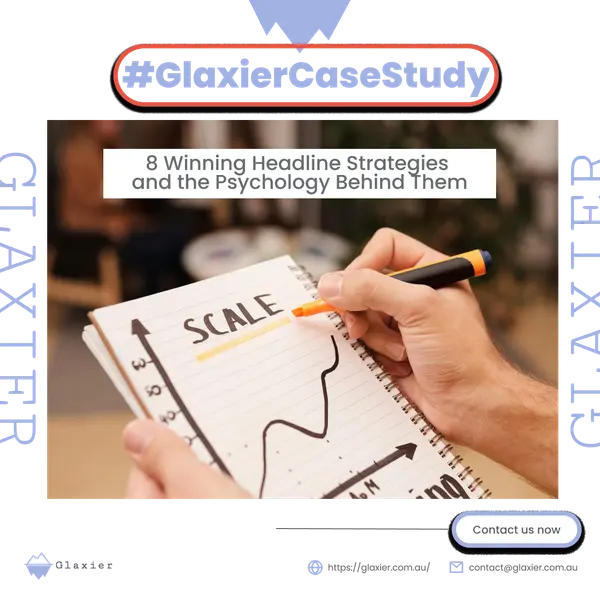
Hey there, fellow content creators and headline enthusiasts! Are you ready to dive into the captivating world of headlines? I recently went on a headline adventure to uncover the secrets behind those click-worthy gems that grab our attention and refuse to let go. From surprise to specificity, I’ve unearthed eight winning headline strategies that are backed by psychology and research. So, grab your metaphorical magnifying glass as we explore what makes these headlines tick and how you can use them to your advantage.
Surprise: Captivate with the Unexpected
Ever found yourself drawn to a headline that makes you go, “Wait, what?” Surprise is a powerful tool that hacks into our brain’s love for novelty. By breaking patterns and presenting something unexpected, you instantly capture attention. Think about Barack Obama’s campaign emails with subject lines like “Hey” or “Wow.” These surprises engaged recipients and stood out in a sea of predictable political messages. Our brains are wired to seek out the unpredictable because it triggers our pleasure centres more than the familiar does.
Questions: Ignite Curiosity
The power of a question mark can’t be underestimated. Questions prime our curiosity, making us yearn for answers. Consider a headline like “Do You Know What Your Sleep Habits Say About You?” The brain is immediately intrigued, compelled to find out if it’s normal or not. Questions create a sense of engagement and anticipation, pulling readers into the content.
Curiosity: Leave an Information Gap
Curiosity killed the cat, but it’s a goldmine for headlines. The “information gap” theory reveals that when we sense a knowledge void, we’re driven to fill it. Viral sites like Upworthy thrive on this psychology, leaving readers curious to uncover the missing piece. To use this, tease readers with intriguing tidbits but keep them hungry for more.
Negatives: Embrace the Dark Side
Negatives wield a unique power by tapping into our insecurities. Phrases like “Stop Wasting Time!” make us wonder if we’re making mistakes we’re unaware of. Studies show that headlines with negative superlatives perform better, possibly because they’re unexpected and elicit surprise. This tactic also ties into our quest for self-improvement; we’re drawn to content that promises to fix what’s wrong.
How-To: Feed the Desire for Mastery
The “how-to” formula is a classic for a reason. We all want to master something, gain control over our world. Headlines like “How to Boost Your Productivity in 5 Easy Steps” trigger our desire for order and predictability. By offering a sense of empowerment, these headlines attract readers looking for solutions.
Numbers: Satisfy the Need for Structure
Numbers provide predictability in an uncertain world. They help manage expectations, making headlines more enticing. From “10 Tips for a Healthier Lifestyle” to “The 7 Habits of Highly Effective People,” numbers promise a specific and digestible amount of information.
Audience Referencing: Speak Directly to Readers
Using words like “you” directly involves readers, making them feel recognized. This taps into our problem-solving nature, as our brains actively seek solutions. A headline like “Are You Struggling to Manage Your Finances?” feels personalized and relevant, increasing engagement.
Specificity: Paint a Vivid Picture
Concrete details and specifics make headlines more compelling. People are drawn to information that’s clear and tangible. Specifics also build credibility and demonstrate depth, reassuring readers that they’ll get value from the content.
As you embark on your headline journey, remember that there’s no one-size-fits-all approach. What works today might not work tomorrow. Stay playful and experimental with your headlines. Test different strategies to see what resonates with your audience. Psychology is your ally—tap into curiosity, surprise, and the desire for improvement to create headlines that demand clicks.
Now, it’s time to put this newfound knowledge into action. Start experimenting with these headline strategies and see which ones align best with your content and audience. Craft headlines that evoke emotions, trigger curiosity and promise value. Remember, every click begins with a headline that captures the imagination. So, go ahead, make those headlines irresistible, and watch your content thrive!
If you’re hungry for more information, contact us today for a free consultation. Let’s make your online journey an unforgettable one!